
ABB 1SQA012095R0001 Motor Starters - Non-Combination
Part Number: 1SQA012095R0001
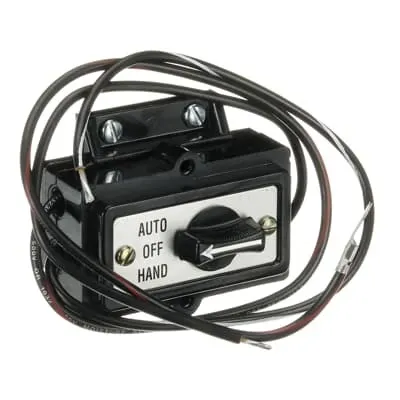
Quick Summary
ABB 1SQA012095R0001 motor starters optimize safe motor control in control panels for industrial equipment. Facing tight spaces and tangled wiring, engineers need a compact, non-combination solution that speeds installation and reduces wiring errors. This data shows REACH compliance status and WEEE scope, while CE marking and IP-rated performance are common expectations for modern motor starters in harsh environments. With a tiny footprint and just 1 lb weight, this module supports faster panel layouts, easier service access, and lower total cost of ownership over the equipment life cycle.
Product Information
Extended Description
1SQA012095R0001 ABB: 305E10400ZATAA Non-Combination
REACH Information
False - does not contain substances > 0.1 mass percentage
Product Net Width
0.01 in
Product Net Height
0.01 in
Product Net Weight
1 lb
WEEE Category
Product Not in WEEE Scope
UNSPSC
25173900
Ultra-compact footprint enables dense panel layouts and streamlined wiring. This drives higher panel density and reduced cabinet real estate, which translates to lower enclosure costs and faster wiring runs in automated lines. The 0.01 in width and 0.01 in height measurements, paired with a 1 lb weight, minimizes mounting clearance and shipping footprint, supporting easier field installations and multi-unit deployments for conveyors, pumps, and machine controls. The non-combination design reduces harness complexity and connector count, lowering wiring errors and speeding maintenance in busy production environments. REACH information confirms no substances above 0.1 mass percentage, and the WEEE scope indicates non-scope status, reducing compliance overhead during audits. Additionally, UNSPSC 25173900 alignment simplifies procurement and supplier integration into existing ERP workflows. This combination enhances compatibility with ABB motor starter ecosystems and standard control panel practices, delivering measurable ROI through labor savings and faster time-to-value for new builds and retrofits.
Get a Quick Quote for a ABB 1SQA012095R0001
Chat with us on WhatsApp - fast responses guaranteed
Need to speak with someone? We'll call you back within 2 hours during business hours
Interested in ABB 1SQA012095R0001?
Enquire Now
FAQs
Begin by locating the motor starter in the ABB ecosystem and align it with standard mounting rails. Its ultra-compact footprint and 1 lb weight ease handling, while the 0.01 in width/height minimizes enclosure intrusion. Route harnesses along existing cables, follow the typical motor starter wiring diagram, and ensure access for maintenance. This minimizes rework and accelerates commissioning in dense panels.
The non-combination design reduces wiring harness complexity, which lowers installation time and failure risk in high-cycle equipment like conveyors and pumps. Its ultra-compact dimensions enable tighter panel packing, while reliable ABB engineering supports consistent performance in demanding automation environments. Combined, these factors shorten downtime and improve overall line efficiency.
The data indicates REACH information with no substances above 0.1% by mass and a WEEE category of not in scope, which simplifies regulatory review and end-of-life planning. While many facilities expect CE markings and IP protection, this data emphasizes regulator-focused attributes that support smoother audits and ongoing compliance in regulated industries.
Yes. The unit is designed to integrate with standard ABB motor starter ecosystems and common control cabinet practices. Its ultra-compact footprint and light weight support straightforward upgrades or retrofits in existing panels without major rework, helping maintain consistency with established wiring schemes and mounting patterns across a broader ABB product family.
Upgrading can reduce installation time due to the non-combination design and compact form factor, lowering labor costs in new builds and retrofits. The smaller panel footprint and easier maintenance contribute to lower lifecycle costs, while regulatory simplicity from REACH and WEEE context supports faster approvals and fewer compliance-related delays.