
ABB 1SQA012924R0001 Motor Starters - Non-Combination
Part Number: 1SQA012924R0001
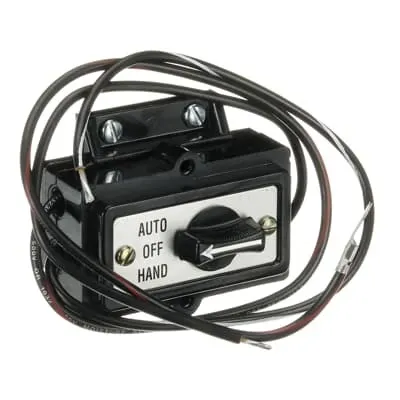
Quick Summary
ABB 1SQA012924R0001 Motor Starter is designed to reliably start and protect small to medium motors in space-constrained industrial panels. Engineers often struggle with bulky control gear that complicates installation and maintenance in tight electrical rooms. The data notes REACH information with no substances above 0.1% and WEEE categorization showing the product is not in scope, supporting compliant sourcing. Designed to integrate with ABB control architectures, this non-combination starter helps streamline wiring and layout in panel assemblies. Compact footprint and reliable performance translate to shorter setup times and lower lifecycle costs for industrial automation projects.
Product Information
REACH Information
False - does not contain substances > 0.1 mass percentage
UPC
783166559819
Product Net Width
0.01 in
Product Net Height
0.01 in
Product Net Weight
1 lb
WEEE Category
Product Not in WEEE Scope
UNSPSC
25173900
Feature: Non-Combination motor starter design minimizes the part count and simplifies field wiring. Business Impact: Fewer components and shorter wiring runs reduce installation time and risk of miswires, lowering labor costs. Application: Ideal for compact panels in material handling, packaging lines, and machine automation. Feature: Ultra-compact footprint of 0.01 in width and 0.01 in height with a 1 lb weight. Business Impact: Enables dense panel layouts and easier retrofits, supporting scalable automation in constrained spaces. Application: Suitable for space-limited motor control in conveyors and pumps. Feature: Clear regulatory posture via REACH information and WEEE scope status. Business Impact: Reduces compliance risk and supplier audits, aiding faster procurement decisions. Application: Favorable in regulated manufacturing environments where traceability matters. Feature: Compatibility with ABB control architectures. Business Impact: Smooth integration with existing automation ecosystems minimizes engineering effort and training costs. Application: Works with standard ABB starters in factory automation deployments. Feature: Non-Combination design supports straightforward maintenance and quick field servicing. Business Impact: Lower maintenance downtime and easier stocking of spare parts. Application: Practical for high-availability lines such as packaging, bottling, and material handling.
Get a Quick Quote for a ABB 1SQA012924R0001
Chat with us on WhatsApp - fast responses guaranteed
Need to speak with someone? We'll call you back within 2 hours during business hours
Interested in ABB 1SQA012924R0001?
Enquire Now
FAQs
Plan for a tight panel layout by leveraging the ultra-compact 0.01 in width and 0.01 in height, ensuring adequate clearance for wiring. Use standard ABB terminal blocks, follow the wiring diagrams in the datasheet, and verify correct non-combination mounting to minimize miswiring and downtime during commissioning.
Core specs include a 1 lb net weight and an ultra-small footprint, which support dense panel installations. The device is designed for reliable start/stop of small to medium motors in automation lines, with regulatory considerations noted in REACH and WEEE metadata to help sustain compliance during life-cycle management.
Yes. The non-combination design and compact footprint make it well-suited for panel-mounted motor control in conveyors and pumps, enabling tighter panel layouts and faster wiring without sacrificing control reliability or ABB compatibility with existing automation architectures.
The provided snippet includes REACH information and WEEE scope status but does not specify CE, SIL, or IP certifications. For definitive certification data, consult the ABB datasheet or contact ABB technical support to confirm applicable regulatory approvals for your region and application.
Benefit from space-efficient panel design, reduced wiring complexity, and faster commissioning. The non-combination approach lowers component count and maintenance effort, contributing to lower labor costs, quicker uptime, and a faster payback on automation projects.