
ABB 1SQA015584R0001 Motor Starter - EC000066
Part Number: 1SQA015584R0001
Quick Summary
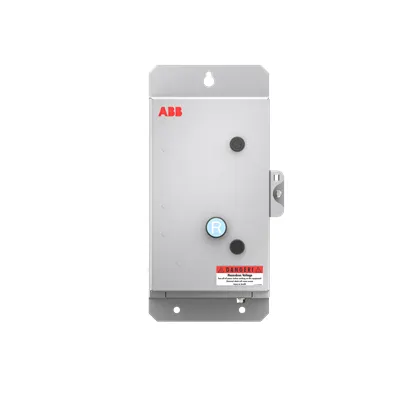
ABB 1SQA015584R0001 Motor Starter is a compact control device designed to safely switch AC motors in industrial automation setups. This model helps reduce wiring complexity and panel depth, addressing the common pain point of bulky, non-combination contactors that complicate maintenance. It aligns with ETIM 9 EC000066 for power contactor, AC switching and is categorized with WEEE compliance status, supporting regulatory clarity. By choosing a standard, interoperable motor starter, you gain predictable procurement, easier spare parts planning, and faster installation across ABB or third‑party control systems. For engineers seeking reliable performance with straightforward documentation, this module offers a practical balance of space efficiency and robust control functionality.
Product Information
Product Net Width
0.01 in
Product Net Height
0.01 in
Product Net Weight
1 lb
ETIM 9
EC000066 - Power contactor, AC switching
WEEE Category
Product Not in WEEE Scope
UNSPSC
25173900
Non-Combination design and a compact footprint help this ABB motor starter fit tight motor control panels. The reduced wiring complexity shortens panel build times and lowers the risk of miswiring during integration in high-mix manufacturing environments. In practical terms, technicians can route harnesses more efficiently and achieve faster startups. ETIM 9 EC000066 classifies this device as a power contactor for AC switching, enabling standardized parts sourcing and cross‑vendor compatibility; for system integrators, that means faster bill-of-materials creation and smoother maintenance across ABB and third‑party motor control gear in automation projects. The unit’s light 1 lb weight and extremely small net dimensions support easy handling and rail mounting, reducing installation effort in retrofits and new builds alike. Compliance is straightforward with WEEE Category: Product Not in WEEE Scope, which lowers regulatory overhead during procurement. Compatibility with standard control gear promotes seamless integration with ABB or third‑party automation platforms, improving on-site reliability and reducing spare-part proliferation. In dense production environments, the space‑efficient footprint translates into higher panel density and reduced enclosure costs, delivering measurable ROI through lower installation and maintenance labor. Industry context shows that compact motor starters like this are ideal for industrial automation projects requiring quick commissioning, predictable sourcing, and lifecycle support across multiple machine lines.
Get a Quick Quote for a ABB 1SQA015584R0001
Chat with us on WhatsApp - fast responses guaranteed
Need to speak with someone? We'll call you back within 2 hours during business hours
Interested in ABB 1SQA015584R0001?
Enquire Now
FAQs
Begin by verifying panel space and rail mounting compatibility. Mount the unit on a standard DIN rail, connect the AC motor control lines to the output terminals, and tie in the control wiring per the ETIM EC000066 guidance. Ensure correct wiring sequencing to prevent misconnections, then perform a functional test with a low-current pilot signal before full-load operation.
Yes. The device is classified as a power contactor for AC switching under ETIM 9 EC000066, ensuring standardization with typical motor control architectures. It supports integration with ABB control gear and compatible third-party systems, simplifying procurement and maintenance across multi-vendor panels.
This model is aligned with ETIM 9 EC000066 for power contactors and AC switching and is categorized as WEEE compliant (Product Not in WEEE Scope). These standards support standardized sourcing and regulatory clarity in industrial automation projects.
The non-combination design reduces wiring complexity and panel depth, enabling faster installation, easier maintenance, and improved fault isolation in tight control cabinets—particularly beneficial in high-mix production lines and retrofits.
Benefits include reduced installation time, lower panel space requirements, standardized procurement via ETIM EC000066, and simpler spares management, all contributing to lower total cost of ownership over machine lifecycles in industrial automation environments.