
ABB 1SQA015684R0001 Open Interlock - WEEE Not in Scope
Part Number: 1SQA015684R0001
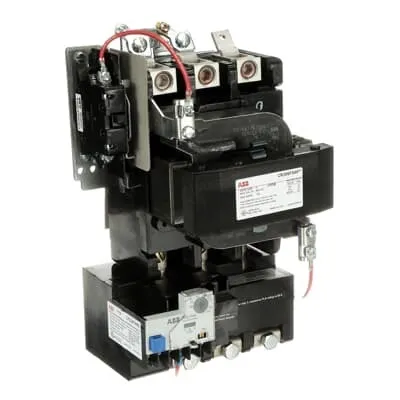
Quick Summary
ABB 1SQA015684R0001 Open interlock is a safety device for machine-door access control in industrial automation. When doors fail to secure during operation, downtime and risk rise; this compact unit provides reliable latching and monitored position. The data does not specify CE, SIL, or IP ratings for this part, so please verify with ABB datasheets to confirm certified safety compliance during procurement. Designed for robust automation safety, this interlock supports reliable access control and reduces risk exposure across manufacturing lines. Leveraging its compact footprint and straightforward installation, it integrates with standard safety relays and control circuits, delivering value through improved uptime and safer operator workflows.
Product Information
Product Net Width
0.01 in
Product Net Height
0.01 in
Product Net Weight
1 lb
WEEE Category
Product Not in WEEE Scope
UNSPSC
25173900
Feature: Ultra-compact dimensions (0.01 in width and height) and 1 lb weight. Business impact: enables installation in constrained spaces, simplifies retrofits, and reduces panel enlargement or rework. Application: fits narrow guard doors and small control cabinets across packaging lines and light assembly. Feature: Open interlock design for monitored door status delivering a secure interlock solution. Business impact: minimizes unplanned downtime by ensuring doors are fully secured before equipment can start; Application: guards on safety enclosures, door assemblies in conveyors and robotics cells. Feature: Environmental and procurement data indicate WEEE category 'Product Not in WEEE Scope' and UNSPSC 25173900. Business impact: reduces environmental reporting burden and eases cataloging in procurement systems; Application: global sourcing and compliant data management. Feature: Compatibility with standard ABB safety ecosystems and safety-relay interfaces; Installation advantages stem from a compact electrical footprint. Business impact: simplifies wiring, reduces installation time, and supports scalable safety architectures. Feature: Industry credibility and maintenance predictability. Business impact: improves spare parts planning and MTBF estimation for high-uptime production lines, with straightforward diagnostics and service planning.
Get a Quick Quote for a ABB 1SQA015684R0001
Chat with us on WhatsApp - fast responses guaranteed
Need to speak with someone? We'll call you back within 2 hours during business hours
Interested in ABB 1SQA015684R0001?
Enquire Now
FAQs
Think about mounting orientation on the door frame and ensuring correct alignment with the latch to guarantee full engagement. Plan wiring to standard safety relays and ensure the interlock sits within the device’s specified footprint. Verify compatibility with your control system and perform functional tests to confirm monitored position signaling before commissioning.
Yes, this interlock is designed to integrate with typical ABB safety relays and control circuits. For best results, confirm the specific safety-rated modules in your system and follow ABB installation guidelines. If you have a mixed-brand safety network, ensure signal compatibility and perform cross-checks on return-path safety wiring to maintain integrity.
Ideal for machine guards, safety enclosures, and access points on conveyors or robotics cells. Its ultra-compact form supports tight spaces and retrofit projects, while the monitored position feature helps prevent start-up while doors are open. This makes it suitable for lines requiring strict door interlock controls without extensive panel modification.
The provided data does not specify CE, SIL, or IP ratings. For regulatory and safety assurance, refer to the official ABB datasheet and confirm the exact certifications with your procurement or safety compliance team prior to purchase.
The interlock’s compact footprint and reliable latch reduce installation time and retrofit complexity, which lowers initial downtime. Long-term benefits include predictable spare parts management, fewer false starts due to door-open signals, and safer operator workflows, contributing to improved overall equipment effectiveness (OEE).