
ABB 2CPX023121R9999 Electrical Component - U Classification
Part Number: 2CPX023121R9999
Quick Summary
ABB 2CPX023121R9999 is an electrical component for reliable high-current cable terminations in industrial switchgear. Engineers often face the challenge of ensuring safe, durable connections under heavy loads and minimizing downtime. While explicit CE, SIL, or IP ratings are not listed in the data, the product aligns with regulatory awareness through WEEE classification ('Product Not in WEEE Scope') and provides clear packaging guidance. It also references an Object Classification Code U, guiding safety considerations during installation. By leveraging the PAC1251GC family’s copper conductors and TX Fix configuration, you gain robust performance with predictable torque and a standard footprint. This supports efficient power distribution, reduced maintenance, and lower lifecycle costs for industrial electrical installations.
Product Information
Extended Description
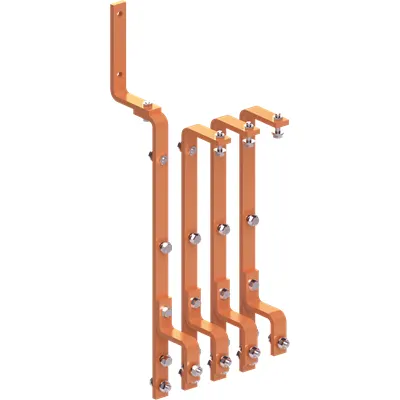
2CPX023121R9999 ABB: PAC1251GC TBB Cu 1250A 3N Cable TX Fix
WEEE Category
Product Not in WEEE Scope
Environmental Information
Breakers - Packaging disposal information
Product Net Weight
19.942 kg
Package Level 1 Units
1 piece
Package Level 1 Gross Weight
20.74 kg
Object Classification Code
U
This ABB component delivers high-current reliability through copper-based construction and a TX Fix termination, reducing resistance and heat in heavy-load cables while improving overall system reliability in switchgear. The durable copper conductor enables stable current paths for up to 1250 A in 3N configurations, driving lower downtime and fewer re-terminations in motor control centers and distribution panels. Packaging is simplified with a single-piece unit per package, aiding procurement and logistics, and weight data supports accurate logistics planning for large-scale installations. Compatibility with the PAC1251GC TBB Cu 1250A 3N Cable TX Fix family means faster installation and engineered torque control, minimizing installation risk and rework. Environmental and disposal guidance, including WEEE scope information and packaging disposal notes, helps meet sustainability targets without compromising performance. In mature industrial environments, the combination of robust conductors, standard footprint, and clear documentation translates into lower total cost of ownership and improved maintenance windows.
Get a Quick Quote for a ABB 2CPX023121R9999
Chat with us on WhatsApp - fast responses guaranteed
Need to speak with someone? We'll call you back within 2 hours during business hours
Interested in ABB 2CPX023121R9999?
Enquire Now
FAQs
The unit is designed for PAC1251GC TBB Cu 1250A 3N Cable TX Fix configurations, offering a standard footprint and a single-piece package to align with typical gearbox and switchgear terminations. Ensure correct torque and use compatible crimp and lug hardware sized for 1250A copper conductors to maximize reliability and minimize installation time.
Key specs include a 1250A current rating and copper (Cu) conductor material configured for 3N cable TX fix. The component’s weight (net 19.942 kg; gross 20.74 kg) supports durability and stability in enclosure assemblies, while the one-piece packaging simplifies logistics and reduces handling variability in field installations.
Yes. The ABB 2CPX023121R9999 is positioned for high-current terminations in industrial power distribution and motor control centers, leveraging copper conductors and a TX Fix configuration to deliver reliable current paths, minimize electrical resistance, and support predictable maintenance cycles in demanding environments.
Data shows WEEE-related information with a category of 'Product Not in WEEE Scope' and an Object Classification Code 'U', indicating certain safety and environmental considerations. Explicit CE, SIL, or IP ratings are not listed in the provided data, so confirm with ABB or product datasheets for these certifications if required for your project.
By delivering a robust copper termination with a predictable footprint and simplified packaging, the solution reduces rework and maintenance downtime, stabilizes current paths under heavy loads, and shortens installation times. Over the life of a power distribution system, these factors translate into lower maintenance costs and improved uptime.