
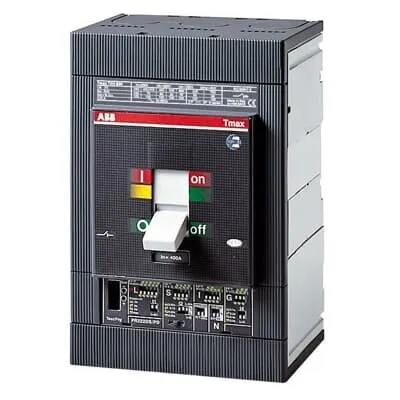
ABB 2TFB100142R1001 T5S PR221 R400 PMP+RHE/P - RoHS/REACH
Part Number: 2TFB100142R1001
Quick Summary
ABB 2TFB100142R1001 is a low voltage molded‑case circuit breaker used for industrial protection in electrical panels and switchgear. Engineers often struggle with nuisance trips and complex integration when expanding protection in dense panel layouts. This device aligns with RoHS and REACH requirements, supports CMRT supply chain transparency, and fits within WEEE category guidelines, helping you meet environmental and safety obligations. Designed for ABB SACE Tmax T generation ecosystems, it delivers reliable protection with reduced lifecycle cost while enhancing panel performance and maintainability.
Product Information
Environmental Product Declaration - EPD
NoDecNee
REACH Declaration
REACh Declaration ABB Sace circuit breakers
RoHS Information
RoHS Declaration ABB Sace circuit breakers
RoHS Status
Following EU Directive 2011/65/EU and Amendment 2015/863 July 22, 2019
Conflict Minerals Reporting Template (CMRT)
CMRT - Conflict Minerals Reporting Template
Environmental Information
Product Environmental Information Tmax T5 | Breakers - Packaging disposal information
Customs Tariff Number
853620
Data Sheet, Technical Information
SACE Tmax. T Generation. Low voltage moulded-case circuit-breakers from 250 A up to 1600 A
WEEE Category
5. Small Equipment (No External Dimension More Than 50 cm)
Feature RoHS and REACH declarations → Business Impact Regulatory compliance reduces risk of penalties and supply-chain delays; simplifies EU market entry. Application Europe-wide industrial panels and compliance audits. Feature CMRT reporting → Business Impact Improved supply-chain transparency and ESG reporting; strengthens supplier due-diligence. Application Procurement and traceability in manufacturing. Feature WEEE category 5 classification and packaging disposal information → Business Impact Easier end-of-life planning and recycling; lowers handling costs. Application Plant service teams and environmental programs. Feature Data Sheet reference for Tmax T generation → Business Impact Accelerates engineering design and correct installation; minimizes field rework. Application System integrators and panel builders. Feature Customs Tariff 853620 → Business Impact Streamlined import/export and duty forecasting; reduces procurement friction. Application Global sourcing and logistics. Feature Environmental information and ABB EcoSolutions context → Business Impact Supports sustainability initiatives and corporate responsibility reporting. Application Green projects and energy‑efficient installations.
Get a Quick Quote for a ABB 2TFB100142R1001
Chat with us on WhatsApp - fast responses guaranteed
Need to speak with someone? We'll call you back within 2 hours during business hours
Interested in ABB 2TFB100142R1001?
Enquire Now
FAQs
The 2TFB100142R1001 is designed to integrate with ABB SACE Tmax T generation low‑voltage moulded‑case breakers. It supports the same protection paradigms used in 250 A to 1600 A applications, enabling straightforward substitution or expansion in existing assemblies and ensuring consistent trip characteristics within the Tmax family.
This MCCB comes with a REACH declaration, RoHS information, and CMRT documentation. It is associated with WEEE category 5 classification for small equipment and provides packaging disposal information and product environmental details, supporting regulatory compliance and sustainability reporting.
Yes, the part is classified under Customs Tariff Number 853620, which facilitates import/export planning. When ordering, confirm local tariff interpretations and any country-specific duties to ensure accurate landed cost and streamlined customs clearance.
Engineers should verify panel space for a moulded‑case breaker from the Tmax range, confirm compatibility with PMP+RHE/P configuration, and reference the Data Sheet for the Tmax T generation specifications. The product supports reliable mounting in standard LV MCCB slots, reducing commissioning time and field adjustments.
The ABB Tmax MCCBs provide improved protection reliability, regulatory compliance, and lifecycle cost reductions through extended service intervals and predictable performance. In mission‑critical processes, this translates to reduced downtime, lower maintenance spend, and easier compliance reporting across European and global operations.