
ABB ACS800-04-0255-5 Drive - Pcont.max 200kW, Icont.max 290A
Part Number: 3AUA0000033871
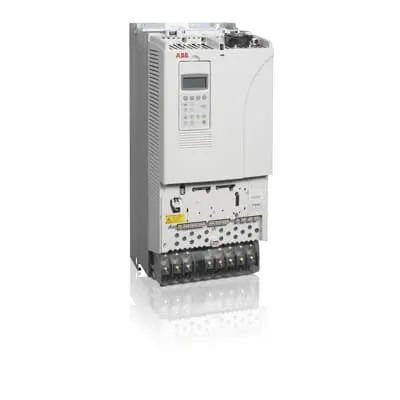
Quick Summary
ABB ACS800-04-0255-5 drives provide precise AC motor control for demanding industrial applications such as conveyors and pumps. Operators often grapple with startup shocks, energy waste, and inconsistent performance that disrupt production lines. Designed with CE safety compliance in mind and robust protection suitable for many IP-rated environments, it supports reliable operation in harsh plants. Integrating the drive into existing automation ecosystems delivers measurable business value, including energy efficiency gains, smoother process control, and reduced maintenance costs.
Product Information
High continuous power and current capability enable direct control of large motors up to 200 kW and 290 A, reducing the need for oversizing and lowering total cost of ownership. This translates to improved motor utilization, fewer thermal excursions, and more stable process performance in conveyors and pumps. Advanced control algorithms provide smooth starts and precise speed regulation, cutting mechanical wear and energy waste while boosting line uptime and product quality in manufacturing and processing facilities. Built-in protection, fault logging, and diagnostics minimize unplanned outages by enabling rapid fault isolation and proactive maintenance planning, supporting safer operations in chemical, metal, and heavy industry environments. Flexible installation options and seamless integration with ABB control architectures shorten commissioning cycles, lower installation costs, and simplify retrofits or new builds across plant sites. CE compliance and robust enclosure considerations align with industry safety expectations, enabling compliant, long-term operation with predictable lifecycle cost and sustainability benefits.
Get a Quick Quote for a ABB 3AUA0000033871
Chat with us on WhatsApp - fast responses guaranteed
Need to speak with someone? We'll call you back within 2 hours during business hours
Interested in ABB 3AUA0000033871?
Enquire Now
FAQs
Begin with verifying motor rating compatibility (power and current) and ensure the drive is wired to the proper supply and control network. Configure basic parameters for motor type, rating, and protection, then connect field wiring as per ABB guidelines. Perform a staged test ramp, monitor motor current and torque, and validate protection interlocks through plant PLC integration to ensure safe, reliable operation.
Key specs include a continuous motor power rating of up to 200 kW and a continuous current rating of up to 290 A. These values define the drive’s capability to handle high-torque loads without overheating, enabling efficient acceleration and stable operation for large motors in conveyors, pumps, and fans. Design margins should account for startup surges and duty cycle in the target application.
Yes. The ACS800-04-0255-5 is well-suited for high-demand applications like conveyors and pumps due to its robust motor control, protection features, and compatibility with standard automation ecosystems. It delivers smoother starts, precise speed regulation, and predictable load responses, which reduces mechanical stress, improves process stability, and enhances overall line efficiency in manufacturing environments.
ABB ACS800 drives are designed to meet CE safety requirements and are built for industrial use with protections suitable for IP-rated environments. When selecting a specific unit, verify the exact version for compliance testing, installation standards, and any regional regulatory additions. These certifications help ensure safe operation, regulatory alignment, and safer integration with other equipment in the plant.
ROI comes from reduced energy consumption due to optimized motor control, lower maintenance costs from advanced protection and diagnostics, and extended motor life from smoother torque profiles. Faster commissioning and easier retrofits also lower project costs. Real-world payback depends on application duty cycle, motor size, and existing controls, but overall lifecycle cost tends to improve with energy efficiency and uptime gains.