
ABB ACS310-03E-26A8-2 LV AC drive module for pumps and fans - 5.5 kW, 26.8 A
Part Number: 3AUA0000039622
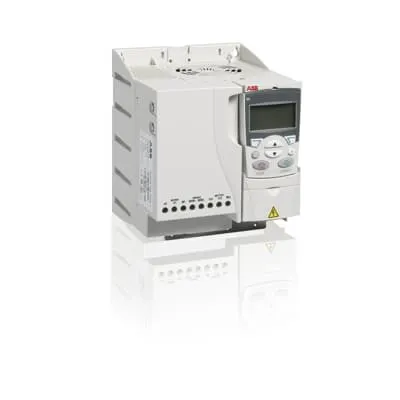
Quick Summary
ACS310-03E-26A8-2 LV AC drive module is a compact variable frequency drive that delivers precise torque control for pumps and fans in HVAC and process environments. Designers often struggle with energy waste, flow fluctuations, and lengthy commissioning when selecting drive solutions. This ABB drive supports CE safety compliance and robust enclosure protection common in industrial equipment, helping meet IP-rated environment requirements while keeping SIL considerations in mind. By integrating this unit into a broader automation strategy, you gain predictable performance, faster setup, and measurable energy savings. Its built-in PID and pump-and-fan control enable tighter regulation of load conditions, delivering reliability and reduced lifecycle costs. This makes it a strong fit for brownfield upgrades and new equipment in water treatment, manufacturing, and building services.
Product Information
Extended Description
3AUA0000039622 ABB: The ACS310 drives are designed for squared torque applications such as booster pumps and supply and return fans. The drive includes a powerful and beneficial set of features designed for pump and fan applications. These features include built-in PID controllers and pump and fan control (PFC) that varies the drive=E2=80=99s performance in response to changes in pressure, flow or other external data.
Built-in PID controllers enable precise process regulation and faster commissioning, reducing overshoot and energy use during startup. This translates to lower energy consumption and smoother operation for pump and fan lines in utilities and manufacturing environments. Application: booster pumps, air handling units, and supply/return fans. Pump and fan control (PFC) continuously adapts drive output in response to pressure, flow, or setpoint changes, maintaining target conditions and reducing unnecessary speed variations. The result is energy savings, extended equipment life, and improved process stability for HVAC systems, water pumping stations, and process lines. Squared torque capability allows high starting torque with controlled acceleration, minimizing water hammer and mechanical stress in booster systems. This supports reliable startup and reduced maintenance in critical pumping networks. Compatibility and installation benefits include a compact form factor and straightforward parameterization, speeding integration and reducing commissioning time. Reliability features and diagnostics align with ABB control ecosystems, improving uptime, remote monitoring, and long-term total cost of ownership.
Get a Quick Quote for a ABB 3AUA0000039622
Chat with us on WhatsApp - fast responses guaranteed
Need to speak with someone? We'll call you back within 2 hours during business hours
Interested in ABB 3AUA0000039622?
Enquire Now
FAQs
Refer to the ACS310 installation guide for wiring diagrams, recommended supply voltage, and protection requirements. Typical steps include securing the unit, configuring basic parameters, wiring motor leads, and verifying PID/PFC settings for target pressure or flow. Ensure compatible control signals and safety interlocks are in place to prevent unintended starts.
The built-in PID controller maintains desired pressure and flow by adjusting drive output in real time, reducing overshoot and stabilizing operation during load changes. This yields lower energy consumption, smoother starts, and less mechanical wear in booster pumps and ventilation fans.
Yes. The drive is designed for squared torque applications such as booster pumps and supply/return fans, delivering reliable speed control, energy efficiency, and robust control for HVAC and water system networks.
The provided data highlights CE safety considerations and enclosure protection expectations common in industrial equipment. For region-specific compliance (UL, IP rating, SIL considerations), consult the official ABB datasheet and local regulatory requirements before deployment.
Expect faster commissioning due to built-in PID and clear parameter sets, improved energy efficiency from optimized torque control, and reduced wear from smoother start/stop profiles. Regular checks on firmware, wiring integrity, and protective features will support long-term reliability and a favorable total cost of ownership.