
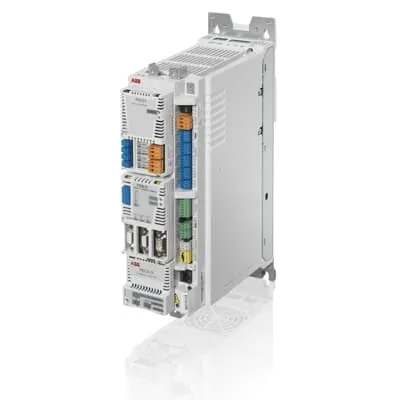
ABB 3AUA0000039920 Motors & Drives - ACSM1-04LM-135A-4
Part Number: 3AUA0000039920
Quick Summary
ABB ACSM1-04LM-135A-4 motor drive provides precise AC motor control for heavy industrial applications. Engineers often grapple with tuning, energy waste, and reliable protection across variable loads. While advanced drives can deliver performance, selecting the right configuration and achieving consistent results remains challenging without strong integration and support. CE conformity guidance and IP-rated enclosures are common expectations, and SIL-worthy safety options can be configured when required. This solution combines robust control with easy integration into existing ABB drive ecosystems, offering measurable business value through improved efficiency, reduced downtime, and streamlined maintenance. For procurement teams, the solution reduces risk through standardized parameters and repeatable commissioning workflows. Field service teams benefit from remote diagnostics and firmware update capabilities that minimize on-site visits.
Product Information
Feature: 75 kW rated power with 135 A nominal current. Benefit: Enables reliable handling of high-load motors with reduced torque ripple and smoother start/stop profiles. Application: conveyors, pumps, and heavy machine lines where consistent torque and speed are critical for uptime and output. Feature: Flexible control modes and parameterization, including advanced vector and V/Hz schemes. Benefit: Improves speed accuracy, process stability, and energy efficiency by adapting drive behavior to load conditions. Application: packaging equipment, material handling, and processing lines requiring tight process windows. Feature: Easy integration with ABB ecosystem and standard interfaces. Benefit: Reduced commissioning time, fewer rewiring steps, and seamless PLC/HMI communication to accelerate project timelines. Application: retrofit projects and new machine builds in automotive, food & beverage, and plastics industries. Feature: Robust protection and diagnostics, including overload and motor thermal monitoring. Benefit: Lowered risk of unplanned downtime and extended motor life through early fault detection. Application: pumps, fans, and conveyors operating in harsh environments. Feature: Remote monitoring, firmware updates, and diagnostics. Benefit: Lower maintenance costs, faster issue resolution, and improved uptime with proactive service. Application: remote sites, OEMs, and systems with centralized maintenance planning.
Get a Quick Quote for a ABB 3AUA0000039920
Chat with us on WhatsApp - fast responses guaranteed
Need to speak with someone? We'll call you back within 2 hours during business hours
Interested in ABB 3AUA0000039920?
Enquire Now
FAQs
This drive is designed for straightforward integration with standard ABB drive architectures and common industrial cabinets. Verify the motor nameplate rating matches 75 kW and 135 A, ensure compatible control wiring and fieldbus interfaces, and follow ABB commissioning procedures to minimize set-up time and ensure safe operation.
Key specs include a 75 kW rated power and 135 A nominal current, with support for multiple control modes (including vector/torque control). The unit is intended for high-load applications such as conveyors and pumps, delivering tight speed regulation and smooth torque response.
Yes. The 75 kW/135 A configuration is well-suited for conveyors and pump systems, providing precise speed control, energy efficiency, and reliable protection features that reduce wear and downtime in continuous-operation environments.
CE conformity is commonly expected for industrial automation equipment, with IP-rated enclosures depending on cabinet selection and installation environment. SIL safety options can be configured as needed. Always consult the official ABB datasheet for the specific certification matrix applicable to your configuration.
Benefits include lower energy consumption due to optimized motor control, reduced wear from soft-start and precise torque, and fewer maintenance events thanks to built-in diagnostics and remote monitoring capabilities. The result is shorter downtime, faster issue resolution, and a clearer path to predictable maintenance budgeting.