
ABB 3AXD50000915699 DSM Servo Motor - 5 Pole-Pairs
Part Number: 3AXD50000915699
Quick Summary
ABB DSM servo motor delivers precise motion for automated manufacturing and packaging lines. Designers and technicians often struggle with cogging torque and drive integration when upgrading legacy systems. In practice, regulatory considerations like CE conformity and safety interfaces matter, and the motor supports configurable encoder and brake options to meet these needs. The E530 drive compatibility and compact, 5-pole design help reduce footprint and drive down system costs while boosting throughput.
Product Information
Extended Description
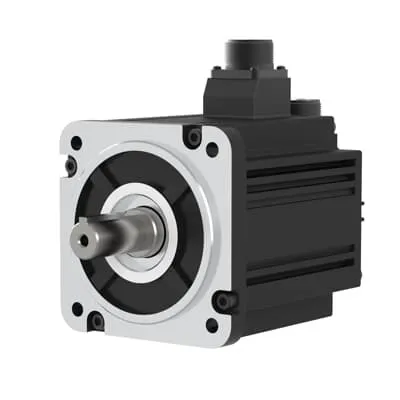
3AXD50000915699 ABB: The DSM servo motor is a high performance servo motor. It is used together with the E530 servo drive. The DSM servo motor offers various options including: brake, oil seal, and encoder type, which provides flexible choices for customers. The 5 pole-pairs design makes it more compact in structure and effectively reduce the cogging torque.
Feature: 1 kW nominal power and 220 V operation on a LV AC servo motor with 4.77 N·m rated torque. Benefit: Delivers reliable torque with efficient energy use, enabling precise control on mid-size machines. Application: conveyors, pick-and-place units, and small CNC modules. Feature: 5 pole-pairs design reduces cogging torque for smoother, more repeatable motion. Benefit: Improves positioning accuracy and cycle time, directly impacting throughput in packaging and assembly lines. Application: high-precision pick-and-place and robotic feeders. Feature: Compatibility with E530 servo drive. Benefit: Streamlines system integration, faster commissioning, and consistent control performance. Application: factory automation and line control. Feature: Encoder type options, brake, and oil seal variants. Benefit: Enhances reliability in challenging environments and supports safety interlocks and maintenance-friendly design. Application: industrial environments demanding safety and durability. Feature: Compact structure and scalable options support easy installation and retrofit. Benefit: Reduces cabinet space, lowers installation costs, and simplifies upgrading existing equipment. Application: retrofit projects and new line builds in tight spaces.
Get a Quick Quote for a ABB 3AXD50000915699
Chat with us on WhatsApp - fast responses guaranteed
Need to speak with someone? We'll call you back within 2 hours during business hours
Interested in ABB 3AXD50000915699?
Enquire Now
FAQs
Begin by confirming power and connector specifications match the LV AC motor and E530 drive. Wire the motor to the drive per the E530 wiring diagram, configure encoder feedback, and set torque and speed limits in the drive parameters. After commissioning, perform a slow-speed test to verify smooth ramping and verify no cogging at low and mid-range speeds.
The motor is a LV AC servo with a nominal power of 1 kW, rated torque of 4.77 N·m, powered by 220 V, and features 5 pole-pairs for reduced cogging torque. It is designed to work with the E530 servo drive and offers options such as brake, oil seal, and encoder type to fit varied applications.
Yes. The 1 kW power rating, combined with a 5 pole-pairs design that minimizes cogging torque, provides smooth, repeatable motion essential for packaging. The available encoder options and brake option support precise positioning and safe stops, while E530 compatibility simplifies line control and synchronization.
Certification specifics depend on the configured variants and regional requirements. In practice, ABB servo motors commonly pursue CE conformity for European markets and safety interfaces suitable for standard industrial environments. Verify your exact configuration with ABB to confirm the precise certifications applicable to your installation.
Configurable options such as brake, oil seal, and encoder type enable optimized reliability and reduced maintenance downtime. The smooth motion from the 5 pole-pairs design improves throughput and positioning accuracy, while E530 compatibility lowers commissioning time and integration risk, delivering faster ROI on new lines or retrofits.