
ABB 7GSP036165R0006 CORE J MCCB - 8536200020
Part Number: 7GSP036165R0006
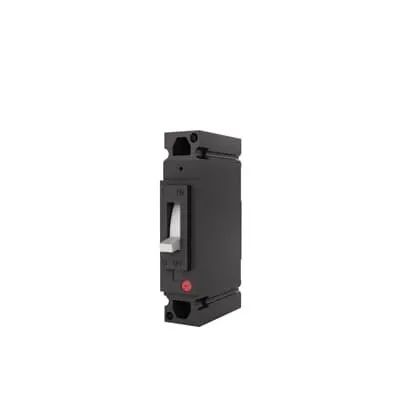
Quick Summary
CORE J MCCB is a robust overcurrent protection device designed for industrial electrical panels and HVAC control systems. Engineers often face mismatched ratings and slow sourcing that disrupt commissioning, and this model streamlines selection with a consistent form factor and clear data. It aligns with UNSPSC 39121616 and is noted as not in WEEE scope, helping teams meet procurement and regulatory requirements. By leveraging ABB’s CORE J family, projects gain standardized protection characteristics, faster installation, and predictable performance across multiple sites, delivering lower lifecycle costs for OEMs, panel builders, and end users.
Product Information
Extended Description
7GSP036165R0006 ABB: CORE J, TJK636500WLX
Customs Tariff Number
8536200020
Product Main Type
CORE J MCCB
Product Name
7GSP036165R0006
UNSPSC
39121616
WEEE Category
Product Not in WEEE Scope
Feature: Precise overcurrent protection inherent to CORE J MCCB. Business Impact: reduces unplanned outages and equipment damage, improving uptime for feeders and motors in HVAC and manufacturing panels. Application: ideal for industrial control panels where reliable protection and selective coordination are required. Feature: Standardized form factor compatible with CORE J MCCB family. Business Impact: simplifies stocking and replacements, shortening lead times and reducing form-factor mismatches. Application: panel builders and maintenance teams across varied sites benefit from consistent installation practices. Feature: Clear procurement data with Customs Tariff Number 8536200020, UNSPSC 39121616, and WEEE status. Business Impact: accelerates customs clearance and regulatory compliance, lowering procurement risk. Application: international projects and global rollouts. Feature: Installation and maintenance efficiency through accessible terminals and ABB accessory compatibility. Business Impact: lowers commissioning time and ongoing maintenance costs. Application: quick retrofit or expansion in existing HVAC and automation installations. Feature: Long-term reliability and cost efficiency from ABB protection philosophy. Business Impact: minimizes costly downtime and reduces total cost of ownership over equipment life. Application: enterprise-wide protection strategy for industrial facilities.
Get a Quick Quote for a ABB 7GSP036165R0006
Chat with us on WhatsApp - fast responses guaranteed
Need to speak with someone? We'll call you back within 2 hours during business hours
Interested in ABB 7GSP036165R0006?
Enquire Now
FAQs
The ABB CORE J MCCB 7GSP036165R0006 is designed for industrial electrical panels and HVAC control systems, delivering selective overcurrent protection for feeders and motors. It integrates with CORE J accessories, supports standard mounting footprints, and ensures consistent trip characteristics across panels, reducing mis-application risk and simplifying panel design.
This device provides precise, rapid overcurrent protection tailored to motor and feeder circuits, minimizing nuisance trips and equipment damage. Its standardized protection characteristics simplify coordination with upstream devices, enabling more reliable operation of critical HVAC and manufacturing systems while reducing commissioning efforts.
Yes. The model is associated with UNSPSC 39121616 and is noted as not in WEEE scope, which supports straightforward regulatory classification, procurement reporting, and compliance for global installations without additional waste handling requirements.
The MCCB is designed for easy integration within the CORE J ecosystem, featuring compatible mounting provisions and wiring terminals. When selecting accessories, engineers should reference ABB’s CORE J family guidance to ensure optimal trip coordination, wiring clarity, and streamlined commissioning across multiple panels.
Adopting the CORE J MCCB reduces downtime through reliable, predictable protection and minimizes spares inventory thanks to standardized form factors. The result is lower maintenance costs, faster panel updates, and a shorter path to regulatory-ready installations across HVAC, manufacturing, and process-control environments.