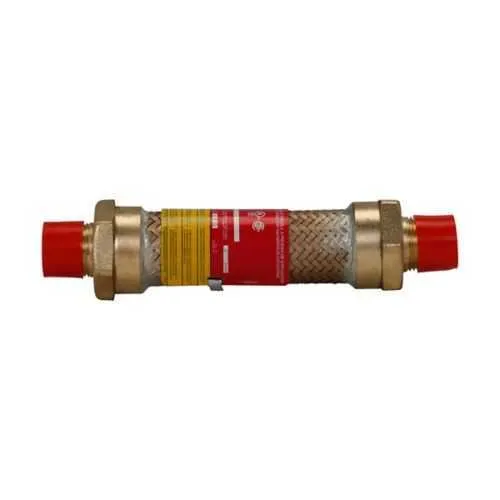
Eaton Crouse-Hinds ECGJH524 coupling - NEC/CEC HazLoc
Part Number: ECGJH524
Quick Summary
ECGJH524 coupling is a 24-inch flexible conduit joiner designed for hazardous locations in industrial facilities. By providing a robust, forged-brass connection with male ends, it reduces installation time and maintenance risk in demanding environments. It carries NEC/CEC certifications and is rated for Class I, Division 1, Class II, Division 1, and Class III hazardous areas, with UL certification for Canada and the U.S. Using this ECGJH model helps you meet compliance while minimizing downtime and life-cycle costs, especially in explosion-protected systems and marine installations. Ideal for explosionproof fittings and hazardous area equipment, it supports reliable, long-term performance.
Product Information
Extended Description
ECGJH524 Eaton Crouse-Hinds: Eaton Crouse-Hinds series ECGJH coupling, 24" flexible length, Male connections both ends, Forged brass, 1-1/2" trade size
Product Name
Eaton Crouse-Hinds series ECGJH coupling
Catalog Number
ECGJH524
Product Length/Depth
30.63 in
Product Height
3.5 in
Product Width
3.5 in
Product Weight
12.69 lb
UPC
782274256252
Area classification
Hazardous/Classified Locations
Standards type
NEC/CEC
NEC hazardous rating
Class I, Division 1 Class II, Division 1 Class III
Gender
Male connections both ends
Flexible length
24"
Trade size
1-1/2"
Material
Forged brass
Crouse-Hinds series EC Explosionproof Couplings catalog page
EC Explosionproof Couplings UL certification
EC Explosionproof Couplings UL certification
EC Explosionproof Couplings UL certification
IF 1618 - ECGJH Flexible Couplings
Eaton Specification Sheet - ECGJH524
(Feature → Business Impact → Application) The ECGJH524 uses forged brass construction for superior durability in corrosive or demanding environments, reducing replacement costs and maintenance frequency in hostile facilities. In practice, this translates to fewer field failures during installation and routine servicing of hazardous location equipment, enabling faster project turnover and lower total cost of ownership. The 24-inch flexible length and 1-1/2 inch trade size offer adaptable routing for conduit runs, minimizing bending strain and saving labor during installation on offshore platforms or chemical plants. The male connections at both ends simplify assembly with existing EC explosionproof fittings, improving compatibility and shortening commissioning times across hazardous area projects.
Get a Quick Quote for a Eaton Crouse-Hinds ECGJH524
Chat with us on WhatsApp - fast responses guaranteed
Need to speak with someone? We'll call you back within 2 hours during business hours
Interested in Eaton Crouse-Hinds ECGJH524?
Enquire Now
FAQs
Plan conduit routing to minimize bends, verify 1-1/2" trade size compatibility, and ensure both ends have male connections for secure EC explosionproof integration. Use appropriate torque on fittings and follow local NEC/CEC requirements, referencing installation sheets and UL certification documents for safe, code-compliant assemblies.
ECGJH524 is rated for NEC/CEC hazardous locations and Class I, Division 1, Class II, Division 1, and Class III environments. It also carries UL certification, with documentation supporting use in Canada and the United States, aligning with industry standards for explosionproof conduit connections.
Yes. The 24-inch flexible length is designed to accommodate routing needs, while forged brass provides corrosion resistance in harsh industrial and marine settings. This combination supports reliable long-term service with reduced maintenance in hazardous area installations.
Industrial plants, chemical facilities, offshore platforms, and marine equipment installations benefit most. The coupling's hazardous-location ratings, rugged brass construction, and compatibility with EC explosionproof fittings help ensure safe, compliant power and signal conduits in challenging environments.
Using ECGJH524 can reduce downtime by enabling quicker, more reliable assemblies and lowering field rework from splices. Its certified construction and rugged material minimize replacement needs, delivering lower total cost of ownership in projects requiring stringent hazardous-location compliance.