Eaton ECGJH636 Coupling - Hazardous Area & Marine
Part Number: ECGJH636
Quick Summary
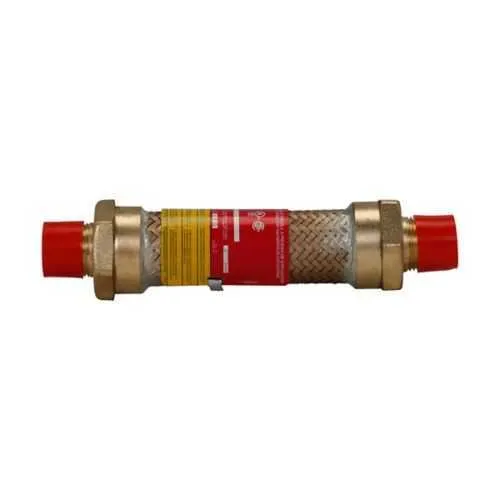
The ECGJH636 coupling from Eaton Crouse-Hinds is a flexible, 36-inch conduit coupling designed for safe, reliable connections in hazardous locations. Maintenance teams often contend with corrosion, misfit fittings, and approvals misalignment that slow projects and increase risk in hazardous areas. This design meets NEC/CEC hazardous location requirements with Class I, Division 1 ratings and UL certification for explosion‑proof installations, while offering durable forged brass construction. With a 2-inch trade size and a total length around 42.5 inches, the ECGJH636 streamlines installation, reduces inventory complexity, and supports reliable uptime across industrial facilities.
Product Information
Extended Description
ECGJH636 Eaton Crouse-Hinds: Eaton Crouse-Hinds series ECGJH coupling, 36" flexible length, Male connections both ends, Forged brass, 2" trade size
Product Name
Eaton Crouse-Hinds series ECGJH coupling
Catalog Number
ECGJH636
Product Length/Depth
42.5 in
Product Height
4.25 in
Product Width
4.25 in
Product Weight
26.75 lb
UPC
782274257204
Area classification
Hazardous/Classified Locations
Standards type
NEC/CEC
NEC hazardous rating
Class I, Division 1 Class II, Division 1 Class III
Gender
Male connections both ends
Flexible length
36"
Trade size
2"
Material
Forged brass
Crouse-Hinds series EC Explosionproof Couplings catalog page
EC Explosionproof Couplings UL certification
EC Explosionproof Couplings UL certification
EC Explosionproof Couplings UL certification
IF 1618 - ECGJH Flexible Couplings
Eaton Specification Sheet - ECGJH636
Feature: 36 inch flexible length enables routing in tight plant layouts. Business Impact: minimizes hardware gaps and reduces field modifications, saving installation time and material waste. Application: conduit runs in confined spaces within chemical plants and refineries. Feature: Forged brass construction offers corrosion resistance and robust sealing. Business Impact: extends service life in harsh environments, lowering maintenance costs. Application: explosion‑proof fittings for offshore rigs and marine facilities. Feature: Male connections on both ends support quick, tool‑free assembly. Business Impact: accelerates commissioning and simplifies repairs, lowering downtime. Application: field upgrades and retrofit projects in hazardous locations. Feature: 2 inch trade size ensures compatibility with standard conduit systems. Business Impact: reduces the need for adapters, improving inventory control. Application: industrial facilities with common 2 in conduits. Feature: NEC/CEC compliance and UL certification. Business Impact: ensures regulatory alignment and safer operations, easing audits. Application: cross‑border deployments in North American plants.
Get a Quick Quote for a Eaton Crouse-Hinds ECGJH636
Chat with us on WhatsApp - fast responses guaranteed
Need to speak with someone? We'll call you back within 2 hours during business hours
Interested in Eaton Crouse-Hinds ECGJH636?
Enquire Now
FAQs
ECGJH636 is designed for hazardous area and classified location installations, including chemical plants, refineries, and offshore facilities. Its 36" flexible length and 2" trade size allow it to adapt to tight routing while maintaining explosion-proof integrity under NEC/CEC guidelines.
Key specs include forged brass construction, male connections on both ends, 36" flexible length, 42.5" overall length, 2" trade size, and a UPC of 782274257204. It is rated for Class I, Division 1, Class II, Division 1, and Class III hazardous locations per NEC.
Yes. ECGJH636 is designed to meet NEC/CEC standards for hazardous locations and carries UL certifications for explosion-proof use, ensuring compliance during audits and field deployments in North American facilities.
ECGJH636 carries NEC hazard ratings, area classification for hazardous/classified locations, and UL certifications. This helps ensure regulatory compliance, simplifies installation approvals, and supports safe cross-border operations.
The 36" flexible length, forged brass body, and male-ended connections reduce installation time and maintenance labor. Its rugged construction minimizes corrosion-related replacements, contributing to lower lifecycle costs and longer service intervals in harsh environments.