
Norgren QM/409 - RM/900 Martonair Mounting Range
Part Number: QM/409
Quick Summary
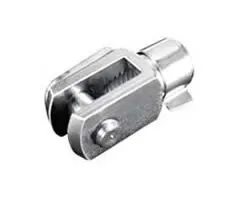
Norgren QM/409 is a mounting solution for RM/900 style F assemblies used in Martonair automation systems. Engineers often face misalignment, retrofit challenges, and downtime when upgrading mounting hardware across compact automation lines. In practice, CE conformity, IP ratings for rugged environments, and SIL considerations guide supplier selection and safety compliance. By integrating this mounting range, maintenance teams gain faster installation, repeatable alignment, and reduced part-number fragmentation, translating to predictable performance and lower total cost of ownership. The solution supports standardization across your plant, simplifying spare parts inventories and supplier management while preserving critical board-to-actuator interfaces for repeatable automation performance.
Product Information
Range
RM/900
Series
Martonair
Brand
IMI Norgren
Feature provides compatibility with RM/900 style F mountings, enabling faster assembly and reduced misalignment; the business impact is lower install time and fewer field adjustments, which translates to higher throughput on automation lines. This supports applications in Martonair actuator systems where predictable alignment improves cycle times and reduces rework. The 5 inch / 6 inch mounting footprint offers flexible integration across different frame sizes, allowing engineers to reuse existing hardware and minimize part proliferation; the result is lower capital expenditure and simplified maintenance in packaging and robotics cells. CAD and Datasheet availability streamlines engineering workflows, enabling accurate BOMs and error-free procurement, which cuts lead times and reduces engineering risk. The rugged mechanical design withstands vibrations typical of factory floors, preserving alignment and uptime in continuous production environments. Standardized mounting reduces inventory complexity, while easy-to-obtain spare parts shorten repair windows and improve overall equipment effectiveness. Installation advantages include pre-aligned interfaces and common fasteners, which minimize commissioning effort and support rapid scale-up across multi-line operations. These benefits collectively support industry best practices for industrial automation and control systems, including long-term reliability, compliance readiness, and measurable TCO improvements.
Get a Quick Quote for a Norgren QM/409
Chat with us on WhatsApp - fast responses guaranteed
Need to speak with someone? We'll call you back within 2 hours during business hours
Interested in Norgren QM/409?
Enquire Now
FAQs
To install QM/409 with RM/900 mounting, verify the RM/900 Style F interface on the actuator, align mounting holes with the mounting plate, insert the appropriate fasteners, and tighten to the recommended torque as specified in the CAD/datasheet. Use the CAD model for exact hole pattern and clearance, ensuring repeatable alignment and minimal assembly time.
Key specifications include RM/900 range, Martonair series, IMI Norgren brand, Style F mounting, and 5 inch / 6 inch mounting footprints. These parameters define compatibility with existing RM/900 assemblies and determine fitting options for space-constrained installations in automation equipment and packaging lines.
Yes. The QM/409 mounting range is designed for compact Martonair actuators, offering standardized RM/900 Style F mounting that reduces installation time, improves alignment, and minimizes downtime—crucial factors for high-throughput packaging lines and robotic workcells where consistent performance matters.
The provided data does not specify formal certifications. For compliance, consult the datasheet and regional requirements. Look for CE conformity, relevant IP ratings for environmental protection, and SIL considerations as part of your supplier qualification and safety assessment.
Standardizing mounting hardware across lines reduces spare parts variety and simplifies maintenance workflows. The combination of fast installation, repeatable alignment, and fewer misalignments translates to lower downtime, shorter commissioning, and higher overall equipment effectiveness (OEE), delivering tangible cost savings over the asset lifecycle.