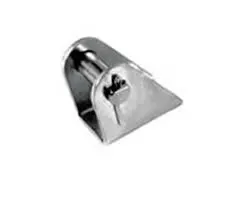
Norgren QM/57050/24 Pneumatic Cylinder - Rear Hinge Mount
Part Number: QM/57050/24
Quick Summary
QM/57050/24 pneumatic cylinder enables precise linear actuation in automation systems. In tight lines and limited-space cabinets, mounting flexibility and seal integrity are common challenges, which this cylinder is designed to address. This product aligns with CE safety expectations and general industry practices for reliable pneumatic components; robust IP-rated protection and SIL-aligned safety integration help reduce risk in critical lines. For OEMs and maintenance teams, the combination of a compact 50 mm bore and rear hinge mounting translates to easier retrofits, faster installation, and lower downtime, while ongoing serviceability from Norgren support ensures long-term reliability in automation and control systems.
Product Information
Cylinder diameter
50 mm
Brand
IMI Norgren
Feature to Business Impact to Application: The 50 mm bore diameter delivers strong actuation in a compact footprint, enabling dependable linear motion in narrow housings and confined work envelopes, ideal for packaging and assembly lines where space is at a premium. The rear hinge mounting (L - Rear Hinge Mounting) simplifies alignment and installation, reducing setup time and easing retrofit projects in machines with limited top clearance. Brand reliability from IMI Norgren translates to consistent performance and broad spare-parts availability, minimizing unplanned downtime across diverse automation environments. Compatibility with standard pneumatic controls means easy integration with existing control architecture, lowering integration risk and accelerating commissioning in retrofits. The design supports straightforward maintenance and serviceability, helping maintenance teams schedule efficient mid-life checks and extend actuator life in high-cycle applications. This combination of compact size, mounting versatility, and robust support reflects real-world benefits for manufacturers targeting lean operations, predictable delivery, and reduced total cost of ownership in automation & control systems.
Get a Quick Quote for a Norgren QM/57050/24
Chat with us on WhatsApp - fast responses guaranteed
Need to speak with someone? We'll call you back within 2 hours during business hours
Interested in Norgren QM/57050/24?
Enquire Now
FAQs
Start by verifying mounting pattern compatibility with your existing actuator brackets. Align the cylinder with the rear hinge mount to ensure proper articulation, then secure with the appropriate fasteners and cushions. Connect the pneumatic lines to the control valve, bleed any air, and cycle test at low pressure. Confirm stroke alignment and end-of-stroke cushioning to prevent impact forces on the machine frame.
The unit features a 50 mm bore for robust linear actuation and is designed for rear hinge mounting. While exact stroke length and force figures depend on your system pressure, this cylinder supports standard pneumatic control integration and is built for reliable repeat cycles in automation and control environments.
Yes. Its compact 50 mm bore and rear hinge mounting enable actuation in tight spaces typical of packaging and assembly lines. The mounting arrangement simplifies installation and maintenance, while Norgren’s support helps with spare parts and service, supporting consistent throughput and reduced downtime in high-volume manufacturing.
Industrial pneumatic cylinders in this class are commonly designed to meet CE safety requirements and offer protection appropriate for typical factory environments. For projects with heightened risk, verify SIL-related safety integration and IP-rated protection with your system engineer to ensure compatibility with your safety and enclosure standards.
The compact size and rear hinge mounting reduce installation time and cabinet space, lowering initial setup costs. Ongoing maintenance is minimized by standard maintenance practices for Norgren actuators and readily available spare parts, delivering lower downtime and more predictable performance over the actuator’s life cycle.